
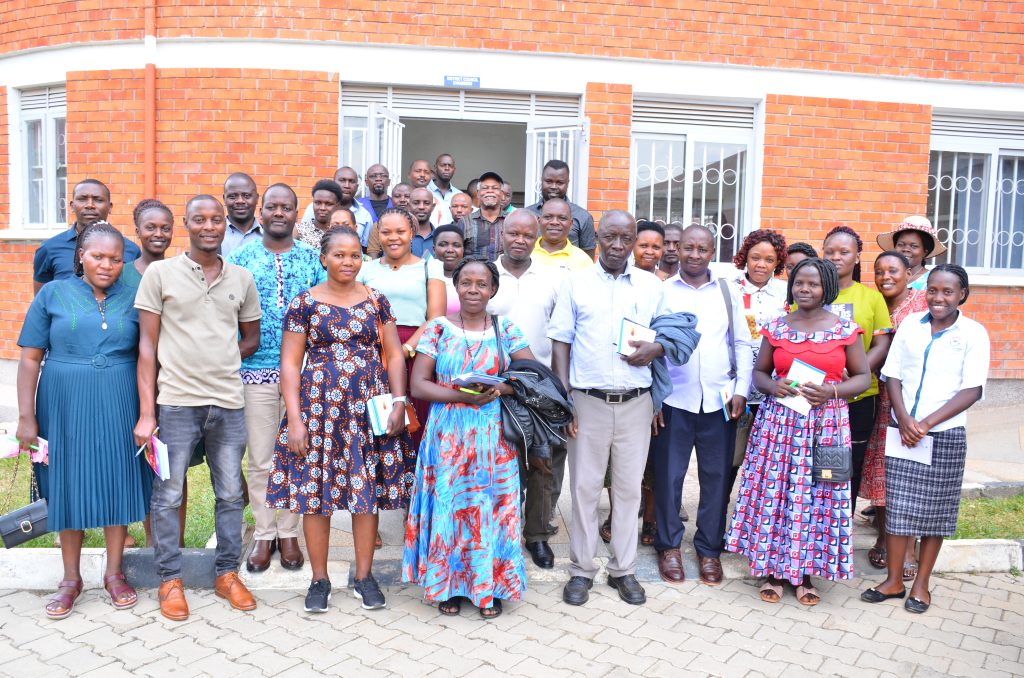
URDT Institute has engaged district stakeholders and artisans/agribusiness practitioners from Rwenzori sub region, as well as leaders and artisans from Rwamwanja and Kyaka II Refugee Settlements, to reflect on lessons from the previous project and officially introduce the Sustainable Inclusive Youth Employment Pathways (SIYEP) Program
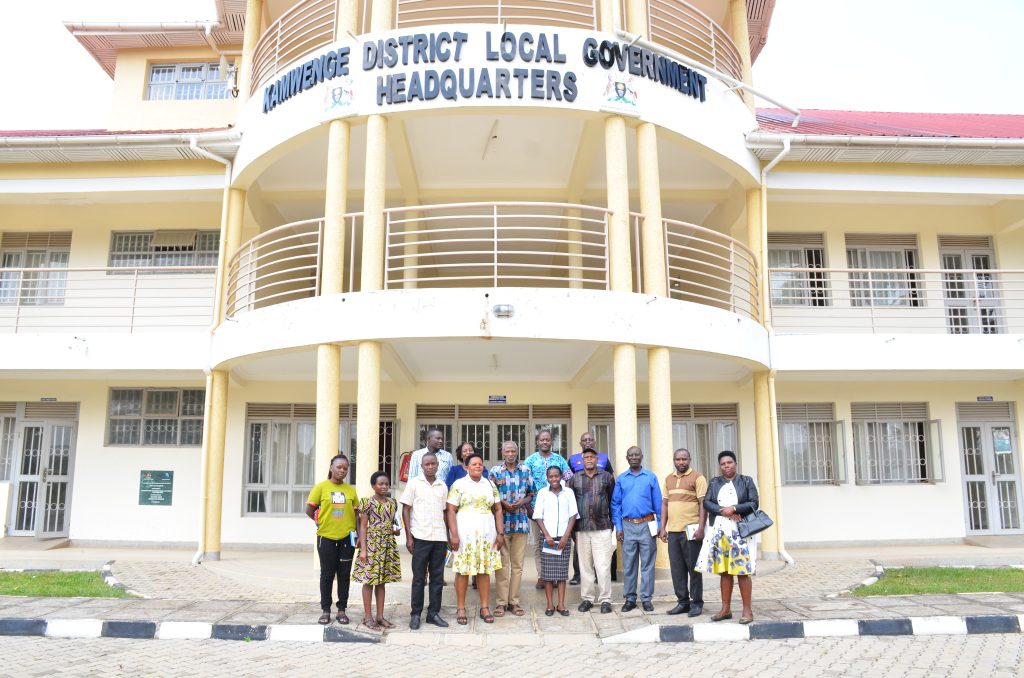
URDT-I is implementing a five-year skilling program targeting 50,000 young women aged 18–35 across 20 districts and four refugee settlements. Implemented under the Young Africa Works Strategy, the SIYEP Program focuses on preparing and transitioning young women into dignified and sustainable employment through inclusive, market-relevant, and quality skills development.
Dr. Mwalimu Musheshe, Founder of URDT Institute and Chairperson of the Board, recognized district leaders, technocrats, and artisans/agribusiness practitioners as key partners in ensuring program ownership, quality delivery, and long-term sustainability. He reaffirmed URDT-I’s commitment to continued engagement in 24 districts and four refugee settlements and to strengthening partnerships with artisans it has previously worked with.
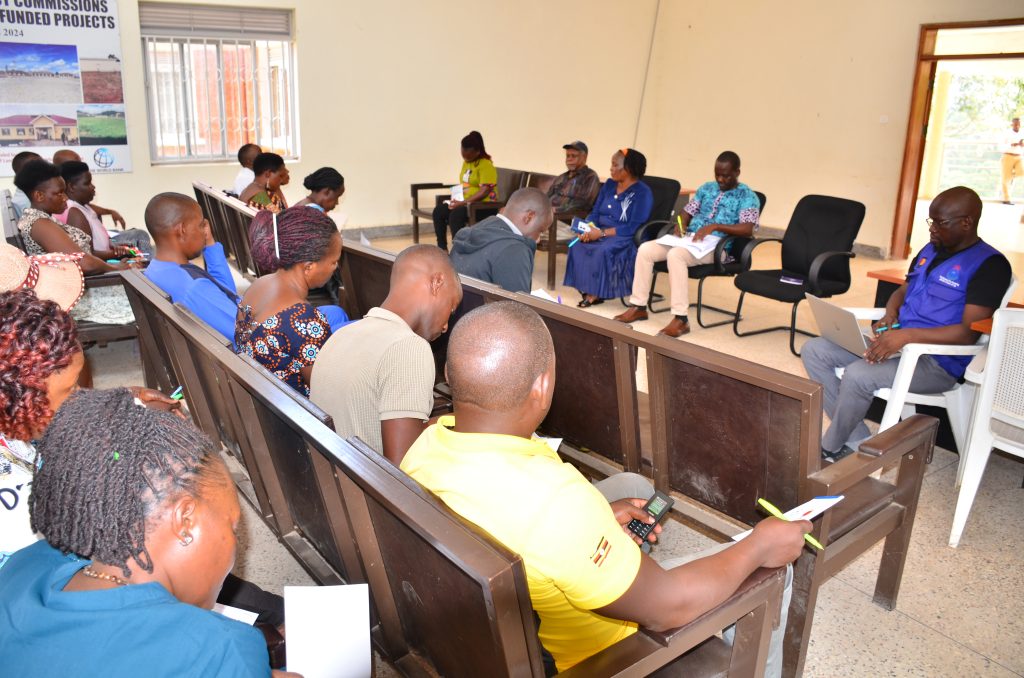
The meeting highlighted positive trends in youth employment and strong commitments from district technical staff to support program implementation, monitoring, and supervision. District officials also pledged to link young women to relevant government initiatives such as the Parish Development Model (PDM), Emyooga, and the Youth Livelihood Programme (YLP).
The SIYEP Program will prioritize the mandatory integration of ICT in training through e-learning and digital marketing. It will focus on non-traditional, gender-non-defined occupations, value addition, design and technology, mindset change, and safeguarding to ensure the safety and empowerment of young women.
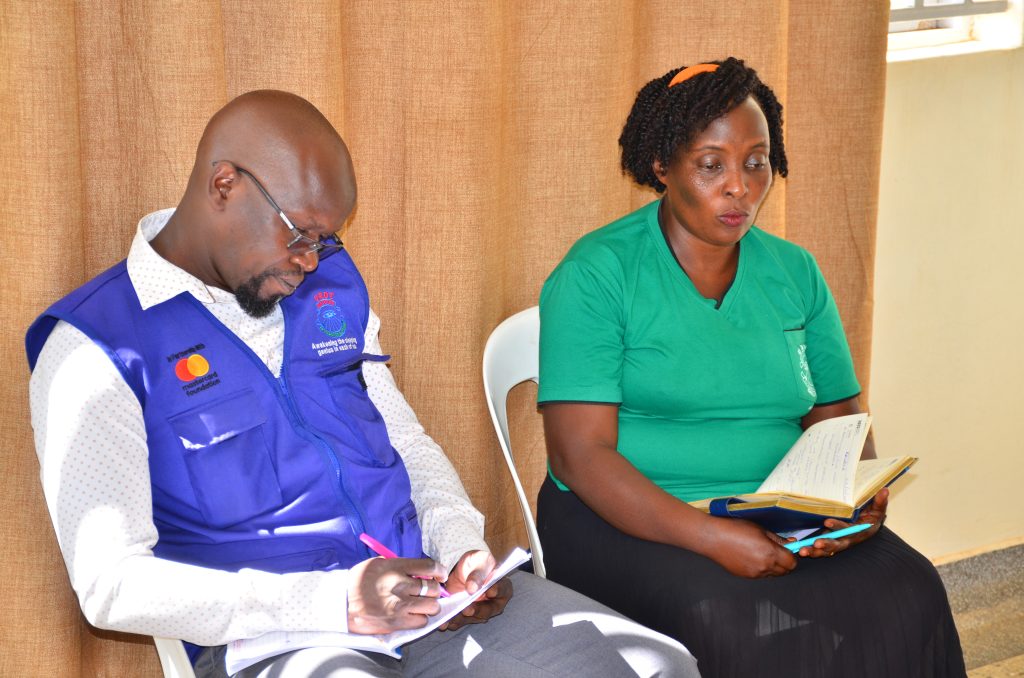
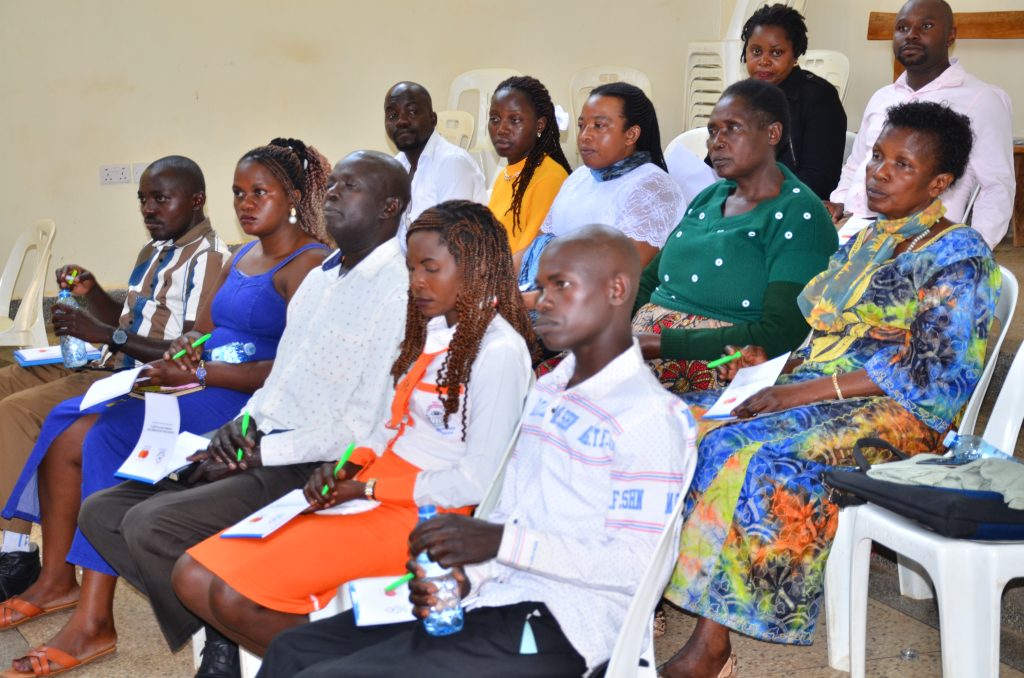
District technical staff appreciated URDT-I’s continued support and the introduction of the SIYEP Program in the same localities. The program will further strengthen collaboration among artisans, engage local leaders and families, promote group formation and savings, and enhance partnerships with other actors to ensure steady and sustainable progress.
They have also expressed their readiness by upgrading and developing their training centres to meet the recommended standards and are eager to incorporate ICT and technology into their training programs

